Cutting-Edge Hardwood Species Transforming Interior Design in 2025
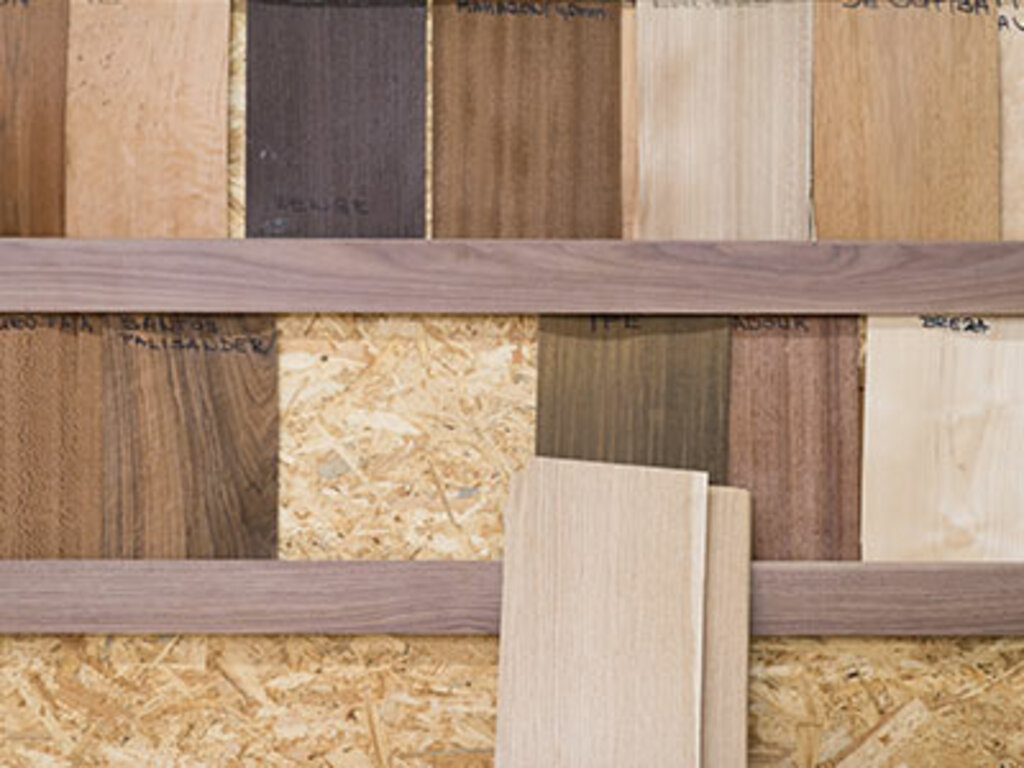 As we step into 2025, the world of interior design is witnessing a remarkable transformation, driven by innovative materials and a growing appreciation for sustainability. Among these materials, hardwood species are taking center stage, not just for their aesthetic appeal but also for their environmental benefits. In this blog post, we will explore the cutting-edge hardwood species that are revolutionizing interior design this year, highlighting their unique characteristics, applications, and the reasons they are becoming the go-to choice for designers and homeowners alike.
The Rise of Sustainable Design
Before diving into the specific hardwood species, it’s essential to understand the broader context of sustainable design. As consumers become more environmentally conscious, the demand for sustainable materials has surged. Hardwood species, when sourced responsibly, offer a renewable resource that can significantly reduce the carbon footprint of interior spaces. In 2025, the focus on sustainability is not just a trend; it’s a necessity.
Why Choose Hardwood?
- Durability: Hardwood is known for its strength and longevity, making it an excellent investment for flooring, furniture, and cabinetry.
- Aesthetic Appeal: The natural beauty of hardwood adds warmth and character to any space, with unique grain patterns and colours.
- Versatility: Hardwood can be used in various applications, from flooring and cabinetry to accent walls and furniture.
- Sustainability: When sourced from responsibly managed forests, hardwood is a renewable resource that contributes to a healthier planet.
Cutting-Edge Hardwood Species of 2025
Thermally Modified Ash
Thermally modified ash is gaining popularity in 2025 due to its enhanced durability and stability. This process involves heating the wood to high temperatures, which alters its cellular structure, making it more resistant to moisture and pests.
- Colour: The thermal modification process darkens the wood, giving it a rich, deep hue that can complement modern and traditional designs.
- Applications: Ideal for flooring, cabinetry, and outdoor furniture, thermally modified ash is versatile and can withstand various environmental conditions.
Design Inspiration: Incorporate thermally modified ash in open-concept living spaces, where its warm tones can create a cosy atmosphere. Use it for kitchen islands or as accent walls to add depth and character.
Black Walnut
Black walnut has long been a favourite among designers, but in 2025, its popularity is soaring due to its unique aesthetic and sustainability. Sourced from North America, black walnut is not only beautiful but also a responsible choice.
- Colour: The rich, dark brown colour with purplish undertones makes it a striking choice for furniture and cabinetry.
- Workability: Black walnut is easy to work with, allowing for intricate designs and finishes.
Design Inspiration: Use black walnut for statement furniture pieces, such as dining tables or coffee tables, to create a focal point in your living space. Its luxurious appearance pairs well with both modern and rustic decor.
Bamboo
While technically a grass, bamboo is often categorized with hardwoods due to its hardness and versatility. In 2025, bamboo will be embraced for its rapid growth and sustainability.
- Sustainability: Bamboo can grow up to three feet in a day, making it one of the most renewable resources available.
- Durability: When processed correctly, bamboo can be as strong as hardwood, making it suitable for flooring and furniture.
Design Inspiration: Incorporate bamboo into minimalist designs, using it for flooring or wall panels. It's light colour and clean lines can enhance the sense of space in smaller rooms.
European Oak
European oak is a classic choice that will continue to evolve in 2025. Known for its strength and beautiful grain patterns, this hardwood is being used in innovative ways.
- Grain Patterns: The distinctive grain of European oak adds texture and interest to any design.
- Finishing Options: It takes stains and finishes exceptionally well, allowing for a range of looks from rustic to contemporary.
Design Inspiration: Use European oak for wide-plank flooring to create a timeless look. Its versatility makes it suitable for both traditional and modern interiors, and it pairs beautifully with a variety of colour palettes.
Sapele
Sapele is an African hardwood that is gaining traction in 2025 for its stunning appearance and sustainability. Often used as a substitute for mahogany, sapele offers a similar aesthetic with added durability.
- Colour: Sapele features a rich reddish-brown colour with a fine, interlocking grain that adds depth to any design.
- Sustainability: Sourced from sustainably managed forests, sapele is an eco-friendly choice for conscious consumers.
Design Inspiration: Incorporate sapele into custom cabinetry or built-in shelving to create a warm, inviting atmosphere. Its unique grain patterns can serve as a conversation starter in any room.
Maple
Maple is a versatile hardwood that continues to be a favourite in 2025. Known for its light colour and fine grain, maple is often used in contemporary designs.
- Durability: Maple is one of the hardest domestic hardwoods, making it ideal for high-traffic areas.
- Stain Absorption: Its light colour allows for a wide range of staining options, from natural finishes to bold colours.
Design Inspiration: Use maple for sleek, modern furniture pieces or cabinetry. Its clean lines and light colour can brighten up any space, making it perfect for contemporary kitchens and living areas.
Teak
Teak is a tropical hardwood that has long been prized for its durability and resistance to moisture. In 2025, it will be used in both indoor and outdoor applications, thanks to its natural oils that protect it from the elements.
- Weather Resistance: Teak’s natural oils make it resistant to water, making it an excellent choice for outdoor furniture.
- Aesthetic Appeal: The golden-brown colour of teak adds warmth and elegance to any design.
Design Inspiration: Incorporate teak into outdoor living spaces, such as patios or decks, to create a seamless transition between indoor and outdoor areas. Its durability ensures that it will withstand the test of time.
The Future of Hardwood in Interior Design
As we look ahead, the future of hardwood in interior design is bright. With a growing emphasis on sustainability and innovative design, hardwood species are becoming more than just a material; they are a statement of values and aesthetics.
Trends to Watch
- Mixed Materials: Designers are increasingly combining hardwood with other materials, such as metal and glass, to create unique and modern designs.
- Natural Finishes: There is a growing trend towards natural finishes that highlight the beauty of the wood grain, allowing the material to shine in its natural state.
- Sustainable Sourcing: As consumers become more aware of the environmental impact of their choices, the demand for sustainably sourced hardwood will continue to rise.
Conclusion
In 2025, hardwood species are not just transforming interior design; they are redefining it. From thermally modified ash to the timeless elegance of black walnut, these cutting-edge materials offer a blend of beauty, durability, and sustainability. As designers and homeowners alike embrace these hardwood warriors, we can expect to see a shift towards more responsible and innovative design choices.
Whether you’re renovating your home or designing a new space, consider incorporating these hardwood species into your plans. Not only will you enhance the aesthetic appeal of your interiors, but you’ll also contribute to a more sustainable future. Embrace the beauty of hardwood and let it inspire your next design project.

