Innovative Solutions for Temperature Control and Energy Savings
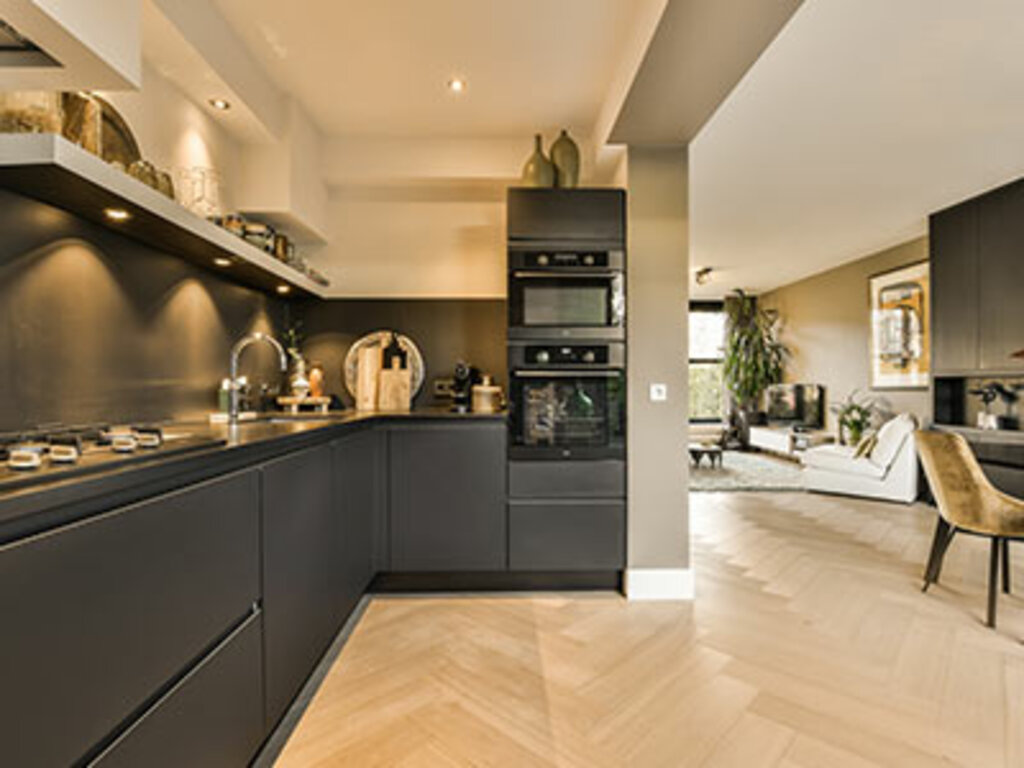 In an era where climate change is at the forefront of global discussions, the need for sustainable living solutions has never been more pressing. One of the most innovative areas of focus is flooring. Climate-smart flooring not only enhances the aesthetic appeal of our spaces but also plays a crucial role in temperature control and energy savings. In this blog post, we will explore the various types of climate-smart flooring, their benefits, and how they contribute to a more sustainable future.
What is Climate-Smart Flooring?
Climate-smart flooring refers to flooring materials and systems designed to optimise energy efficiency, reduce carbon footprints, and enhance indoor climate control. These flooring solutions are engineered to maintain comfortable temperatures, reduce energy consumption, and promote sustainability. By integrating advanced technologies and eco-friendly materials, climate-smart flooring can significantly impact both residential and commercial spaces.
The Importance of Temperature Control
Temperature control is essential for maintaining comfort in our living and working environments. Traditional flooring materials often contribute to heat loss or gain, leading to increased energy consumption for heating and cooling. Climate-smart flooring addresses these issues by utilizing materials and designs that enhance thermal performance.
Benefits of Effective Temperature Control
- Energy Savings: By maintaining a stable indoor temperature, climate-smart flooring reduces the need for heating and cooling systems, leading to lower energy bills.
- Enhanced Comfort: A well-regulated indoor climate contributes to overall comfort, improving productivity in workspaces and relaxation in homes.
- Reduced Carbon Footprint: Lower energy consumption translates to reduced greenhouse gas emissions, making climate-smart flooring a vital component of sustainable living.
Types of Climate-Smart Flooring
There are several types of climate-smart flooring options available, each with unique features and benefits. Here are some of the most popular choices:
1. Radiant Floor Heating Systems
Radiant floor heating systems are an innovative solution that utilizes electric or hydronic heating elements installed beneath the flooring surface. This system provides even heat distribution, ensuring that the floor remains warm and comfortable.
Benefits:
- Energy Efficiency: Radiant heating systems can be more energy-efficient than traditional heating methods, as they operate at lower temperatures.
- Comfort: The warmth radiates from the floor, creating a cosy environment without the drafts associated with traditional heating systems.
2. Insulated Flooring Panels
Insulated flooring panels are designed to provide superior thermal insulation. These panels are often made from materials like expanded polystyrene (EPS) or extruded polystyrene (XPS) and can be used in various flooring applications.
Benefits:
- Thermal Resistance: Insulated panels help to minimize heat loss in winter and heat gain in summer, contributing to a more stable indoor temperature.
- Moisture Control: Many insulated panels also offer moisture resistance, preventing mould and mildew growth.
3. Sustainable Wood Flooring
Sustainable wood flooring is sourced from responsibly managed forests and is often treated with eco-friendly finishes. This type of flooring not only adds beauty to a space but also contributes to energy efficiency.
Benefits:
- Natural Insulation: Wood has natural insulating properties, helping to regulate indoor temperatures.
- Carbon Sequestration: Trees absorb carbon dioxide as they grow, making sustainable wood flooring a carbon-neutral option.
4. Bamboo Flooring
Bamboo is a rapidly renewable resource that has gained popularity as a sustainable flooring option. It is known for its durability and aesthetic appeal.
Benefits:
- Thermal Performance: Bamboo flooring can help maintain comfortable indoor temperatures due to its natural insulating properties.
- Eco-Friendly: Bamboo grows quickly and requires less water than traditional hardwoods, making it a more sustainable choice.
5. Cork Flooring
Cork flooring is made from the bark of cork oak trees, which can be harvested without harming the tree. This renewable resource is not only eco-friendly but also offers excellent thermal insulation.
Benefits:
- Natural Insulation: Cork has a unique cellular structure that provides excellent thermal insulation, helping to keep spaces warm in winter and cool in summer.
- Sound Absorption: Cork flooring also absorbs sound, making it an ideal choice for multi-story buildings.
6. Luxury Vinyl Tile (LVT)
Luxury vinyl tile (LVT) is a versatile flooring option that mimics the appearance of natural materials like wood and stone. Many LVT products are designed with energy efficiency in mind.
Benefits:
- Durability: LVT is resistant to scratches, stains, and moisture, making it a long-lasting flooring solution.
- Thermal Properties: Some LVT products are designed with insulating layers that help regulate indoor temperatures.
How Climate-Smart Flooring Contributes to Energy Savings
1. Reduced Heating and Cooling Costs
One of the most significant benefits of climate-smart flooring is its ability to reduce heating and cooling costs. By maintaining a stable indoor temperature, these flooring solutions minimize the reliance on HVAC systems, leading to substantial energy savings.
2. Improved Energy Efficiency Ratings
Buildings with climate-smart flooring often achieve higher energy efficiency ratings. This can be beneficial for property owners looking to increase the value of their homes or commercial spaces. Energy-efficient buildings are more attractive to buyers and tenants, leading to higher demand and potentially higher rental or sale prices.
3. Integration with Renewable Energy Sources
Many climate-smart flooring solutions can be integrated with renewable energy sources, such as solar panels. For example, radiant floor heating systems can be powered by solar energy, further reducing energy costs and carbon emissions.
4. Long-Term Sustainability
Investing in climate-smart flooring is not just about immediate energy savings; it’s also about long-term sustainability. By choosing eco-friendly materials and energy-efficient systems, property owners contribute to a healthier planet for future generations.
Choosing the Right Climate-Smart Flooring for Your Space
When selecting climate-smart flooring, it’s essential to consider several factors to ensure you make the best choice for your needs:
1. Climate Zone
The climate in your area will significantly influence your flooring choice. For example, homes in colder climates may benefit from radiant floor heating, while those in warmer regions may prioritize insulation and moisture control.
2. Aesthetic Preferences
Climate-smart flooring options come in various styles, colours, and finishes. Consider your aesthetic preferences and how the flooring will complement your existing decor.
3. Budget
While climate-smart flooring can lead to long-term savings, it’s essential to consider your initial budget. Some options, like sustainable wood or bamboo flooring, may have a higher upfront cost but offer significant energy savings over time.
4. Installation Requirements
Different flooring types have varying installation requirements. Some may require professional installation, while others can be installed as a DIY project. Consider your skill level and the time you can dedicate to the installation process.
5. Maintenance Needs
Consider the maintenance requirements of your chosen flooring. Some materials, like cork and bamboo, may require more care than others. Understanding the upkeep involved will help you make an informed decision.
The Future of Climate-Smart Flooring
As technology continues to advance, the future of climate-smart flooring looks promising. Innovations in materials, design, and installation techniques will likely lead to even more efficient and sustainable flooring solutions. Here are some trends to watch for:
1. Smart Flooring Technology
The integration of smart technology into flooring systems is on the rise. Smart flooring can monitor temperature and humidity levels, adjusting heating and cooling systems accordingly to optimize energy efficiency.
2. Recycled Materials
The use of recycled materials in flooring production is becoming more common. This trend not only reduces waste but also lowers the carbon footprint associated with manufacturing new materials.
3. Biodegradable Options
As sustainability becomes a priority, the development of biodegradable flooring materials is gaining traction. These options will provide eco-friendly alternatives that can be safely disposed of at the end of their life cycle.
4. Increased Awareness and Demand
As consumers become more aware of the environmental impact of their choices, the demand for climate-smart flooring is expected to grow. This increased awareness will drive innovation and lead to more sustainable options in the market.
Conclusion
Climate-smart flooring represents a significant step toward creating more sustainable living and working environments. By choosing flooring solutions that prioritize temperature control and energy savings, we can reduce our carbon footprints and contribute to a healthier planet. Whether you opt for radiant floor heating, sustainable wood, or innovative materials like cork and bamboo, the benefits of climate-smart flooring are clear.
As we move forward, it’s essential to continue exploring and investing in innovative flooring solutions that align with our commitment to sustainability. By making informed choices today, we can pave the way for a greener, more energy-efficient future.

