Can You Use Danish Oil on Wood Floors? A Complete Homeowner's Guide
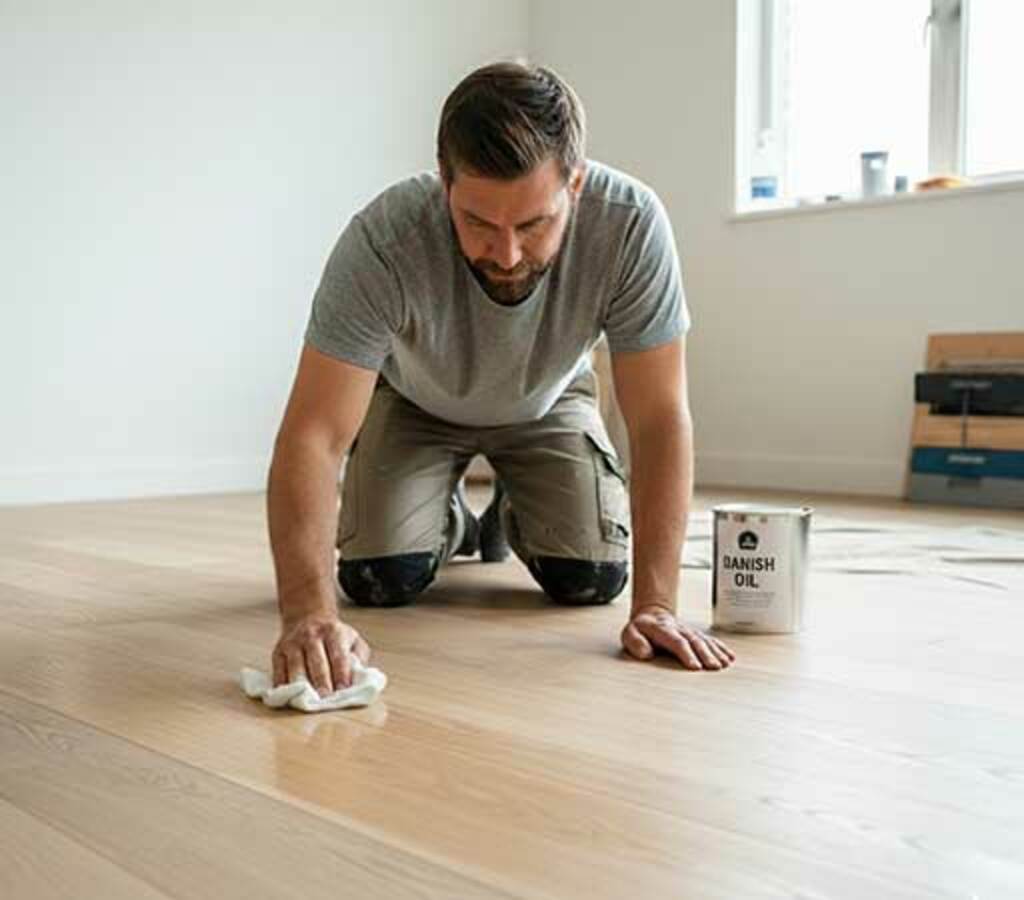 Danish oil is a penetrating wood finish that has gained popularity amongst furniture makers and homeowners seeking a natural-looking alternative to polyurethane varnishes. This blend of natural oils, resins and sometimes solvents penetrates timber rather than forming a surface layer, creating a soft, matte appearance that enhances the wood's natural grain and character.
The finish works by soaking into the wood fibres, hardening as it cures. This approach differs significantly from surface finishes like lacquer or polyurethane, which sit on top of the timber and create a protective barrier. Understanding this distinction is crucial when deciding whether Danish oil suits your wood flooring project.
Composition and Curing Process
Most Danish oil products contain a mixture of linseed oil, tung oil, and synthetic resins. Some formulations include mineral spirits as a carrier to aid penetration. The curing process typically takes 24 to 72 hours per coat, depending on temperature, humidity and ventilation in your home.
Can You Apply Danish Oil to Wood Floors?
Technically, yes—Danish oil can be applied to wood floors. However, whether it's advisable depends on your specific circumstances, flooring type and lifestyle requirements. This is where many homeowners encounter complications.
Suitability for Different Floor Types
Danish oil works best on solid hardwood floors rather than engineered boards. Solid timber allows the oil to penetrate effectively, whereas engineered wood's veneer layer may not accept penetrating oils as readily. If your flooring is pre-finished, Danish oil won't bond properly and will sit on the surface, creating a slippery hazard.
For newly installed or freshly sanded solid wood floors, Danish oil is technically viable. However, this is where homeowners must weigh practical considerations against aesthetic desires.
Advantages of Danish Oil for Wood Floors
Despite limitations, Danish oil offers genuine benefits that appeal to many property owners:
- Natural appearance: Danish oil enhances wood's natural colour and grain pattern without adding shine or plastic-like qualities
- Breathability: The wood can still release and absorb moisture naturally, reducing the risk of cupping or warping in fluctuating humidity
- Easy maintenance: You can apply additional coats without sanding between applications, making refreshes straightforward
- Low toxicity: Most Danish oils contain fewer volatile organic compounds (VOCs) than traditional varnishes, making application safer in occupied homes
- Authentic feel: Walking on oiled wood provides a warmer sensation underfoot compared to sealed finishes
- Repairability: Damaged areas can be touched up more easily than with surface finishes, which often show obvious repairs
Significant Drawbacks for Floor Applications
The reasons Danish oil isn't standard for floor finishing in homes are substantial:
- Limited durability: Penetrating oils offer considerably less protection than polyurethane or water-based floor finishes. High-traffic areas wear through quickly
- Water vulnerability: Unlike sealed finishes, oiled wood absorbs spills readily. Coffee, wine and water can leave marks or cause damage within minutes
- Staining issues: Shoes, pet accidents and food debris stain oiled floors more readily than sealed surfaces
- Maintenance demands: You'll need to reapply Danish oil every 6 to 12 months, depending on traffic levels. Sealed floors typically last 5 to 10 years
- Dust and dirt: The porous surface traps dust more readily, requiring more frequent cleaning
- Furniture marks: Oiled floors mark easily from furniture legs and high heels
- Cost over time: Frequent recoating becomes expensive despite lower product costs initially
Best Practices for Applying Danish Oil to Floors
If you've decided to proceed with Danish oil on your wood floors, proper application matters enormously:
Preparation Steps
Begin with bare, sanded hardwood. Your floor should be sanded to at least 120-grit, ideally 150 or 180-grit for optimal penetration and appearance. Ensure the room is well-ventilated and maintain temperatures between 15-24°C during application and curing. Remove all dust with a tack cloth before applying oil.
Application Method
Apply Danish oil thinly using a lint-free cloth or natural bristle brush, working along the grain. Many professionals recommend 3 to 4 thin coats rather than fewer thick coats. Allow proper drying time between applications—typically 24 to 48 hours. Once fully cured (usually 7 days), your floor is ready for use, though it will be soft and vulnerable initially.
Drying Clothes Safety
Store oil-soaked cloths in water or seal them in bags, as Danish oil can spontaneously combust when drying on fabric. This is a genuine fire hazard in homes, so handle application materials carefully.
Alternatives to Consider for Wood Floors
Most flooring professionals recommend alternatives that offer superior protection whilst maintaining aesthetic appeal:
Water-based polyurethane: Provides excellent durability, low odour, quick drying and maintains the wood's natural appearance better than oil-based versions. Typically lasts 7 to 10 years with normal maintenance.
Oil-based polyurethane: More traditional but yellows over time and requires longer drying periods. Offers excellent durability for high-traffic areas.
Hard-wearing varnishes: Modern formulations create protective layers without the plastic appearance that older varnishes produced. Many are specifically designed for flooring.
Hybrid finishes: Some products combine oil aesthetics with urethane durability, providing a middle ground between penetrating oils and full surface finishes.
Maintenance If You Choose Danish Oil
Should you proceed with Danish oil, establish a maintenance routine immediately. Regular vacuuming or sweeping prevents grit from scratching the soft finish. Use only recommended wood cleaners—never water-based solutions unless specifically designed for oiled floors. Keep your floors dry and attend to spills immediately.
Plan for annual or biannual refreshing in high-traffic areas. This involves light sanding and recoating, which is more disruptive than maintaining sealed floors.
Final Recommendations
Danish oil on wood floors works best in light-traffic areas—perhaps a formal dining room, master bedroom, or study. For kitchens, hallways, and family living spaces, sealed finishes offer practical advantages that most households require. If natural appearance is paramount, consider water-based polyurethane, which provides similar aesthetics with substantially better protection and lower maintenance demands.
Ultimately, Danish oil represents a choice between beauty and practicality. Beautiful though it appears, most homeowners discover that sealed alternatives deliver better long-term satisfaction in residential flooring applications.

